




The most celebrated holiday of the year is ahead, and eBay sellers all over the world are getting ready for the sales boost that always accompanies Christmas. However, to make the most out of the holiday season, one needs to understand their buyers’ mindset and the current spending trends. Here’re useful insights you can use in the upcoming months.

Holiday shoppers are feeling quite optimistic. According to Deloitte’s recent survey, 43% of US consumers believe the economy will improve next year (in the previous year, it was 34%) [1].
Experiences matter more than goods. Gift spending is expected to fall by 3% as compared to the previous year, while experience spending (travels, restaurants, spa, etc.) is likely to grow by 16% [1].
Consumers are shifting to frugality due to the rising cost of living. Respondents from all income groups demonstrate value-seeking behavior such as spending less on self-gifting (–16 percentage points), choosing more affordable brands (62%) and retailers (48%), buying private label goods or dupes — nonbranded imitations of popular items (40%) [1].
Deal hunting is gaining momentum. 78% of surveyed consumers are going to participate in October and November promo events (in the previous year, it was only 61%). Make sure to offer some tempting deals to your buyers! [1]
Online retailers are the most popular location for holiday shopping. 71% of respondents name them as a top location due to convenience and lower prices. Mass merchants take the second place with a decent share of 55% [1].
Multichannel approach drives Christmas sales. Almost half of holiday shoppers are going to make purchases from smartphones, and 13% — via social media. The share is even larger for younger generations — millennials and Gen Zers [1].
Apparel and accessories are top gifts. 71% of consumers plan to buy them as Christmas presents for their dear and near. Toys and hobbies take the second position (67%), while food and beverages are the third most popular gift category (62%) [1].
Key dates for your marketing campaigns
November 27: Black Friday
It marks the beginning of holiday season sales, when both offline and online stores offer steep deals.
November 28: Small Business Saturday (US)
This date encourages people to shop locally and support small businesses during the peak season. It falls on December 5 in the UK.
November 30: Cyber Monday
It was invented as an e-commerce analog of Black Friday. Today, both dates are used by eBay sellers for promo campaigns.

January 1:
New Year’s Day
The 1st of January is an official holiday in most countries. It’s the traditional time for parties, gift-giving and making resolutions for the upcoming year.
February 14: Valentine’s Day
This date is known worldwide as the holiday of romantic love. On this day, partners and spouses express affection with the help of Valentine’s cards and gifts.
February 17: Chinese New Year
(Year of the Horse)
It’s a 15-day festival that is important for many Asian cultures. This holiday is also celebrated in major US and European cities.
November 27 and November 30 — Black Friday and Cyber Monday
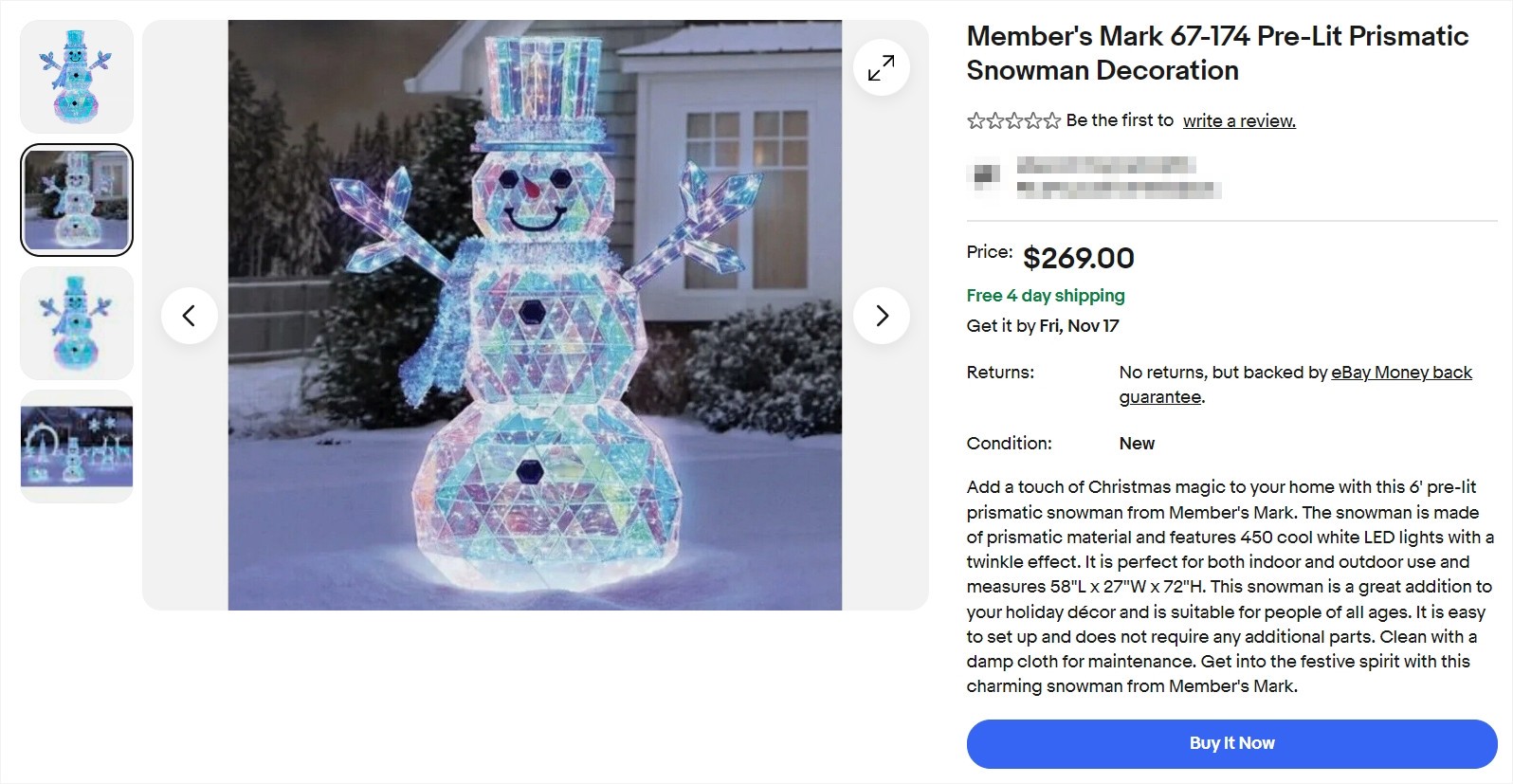
Black Friday is not a holiday, but rather a global shopping phenomenon: on this day, brick-and-mortar stores used to launch the biggest pre-Christmas sales and discounts. Cyber Monday was invented as an e-commerce analog of Black Friday: online sellers all over the world implemented this practice to generate buzz and attract a broader audience. Today, both dates are used by eBay sellers for special offers and discounts. Buyers usually take advantage of deals and actively purchase gadgets, Christmas decor, apparel, beauty products, and all kinds of gifts.
eBay sellers should start getting ready for Black Friday well in advance. To maximize your sales, you need to stand out against the competition.
Plan your promotion strategy, leverage social media, and optimize listings for holiday rush.
Popular products
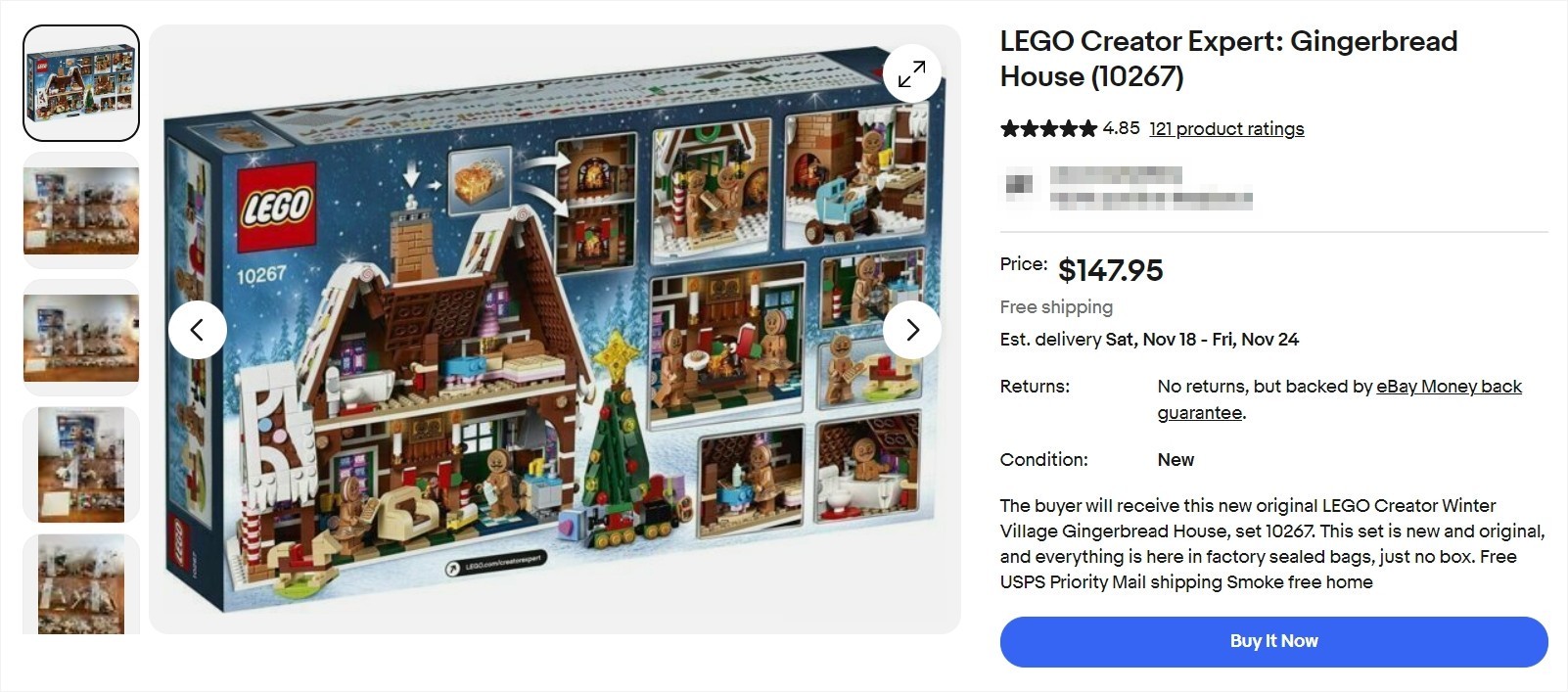
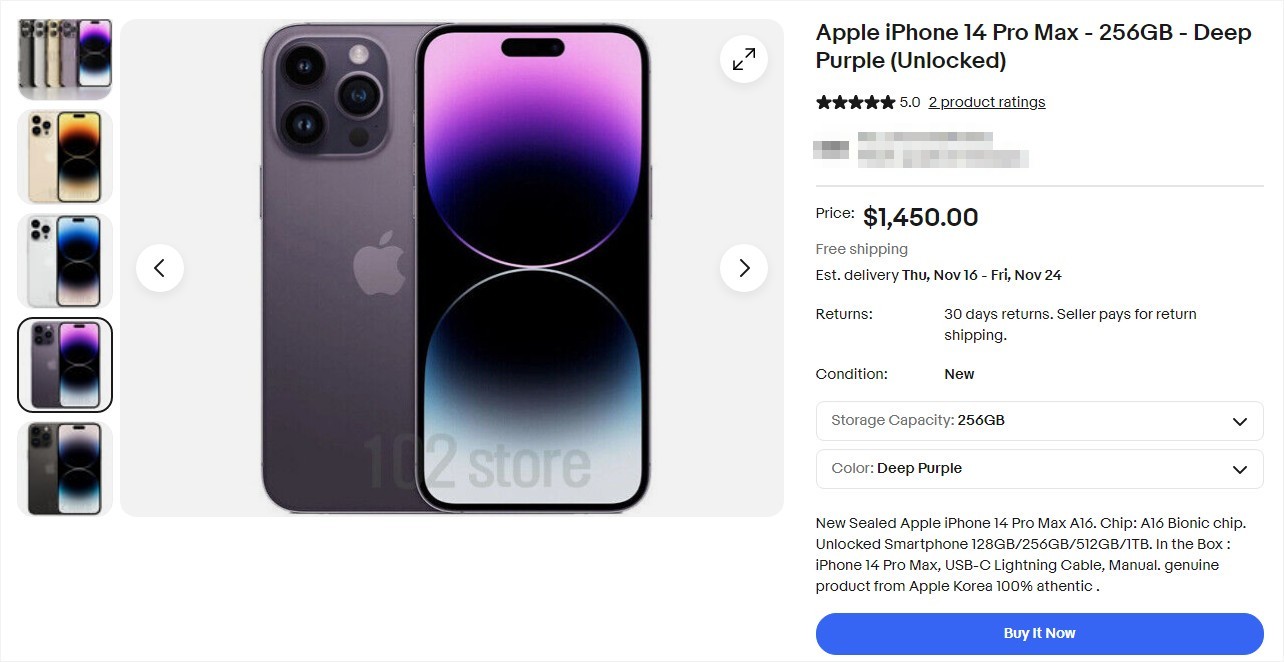
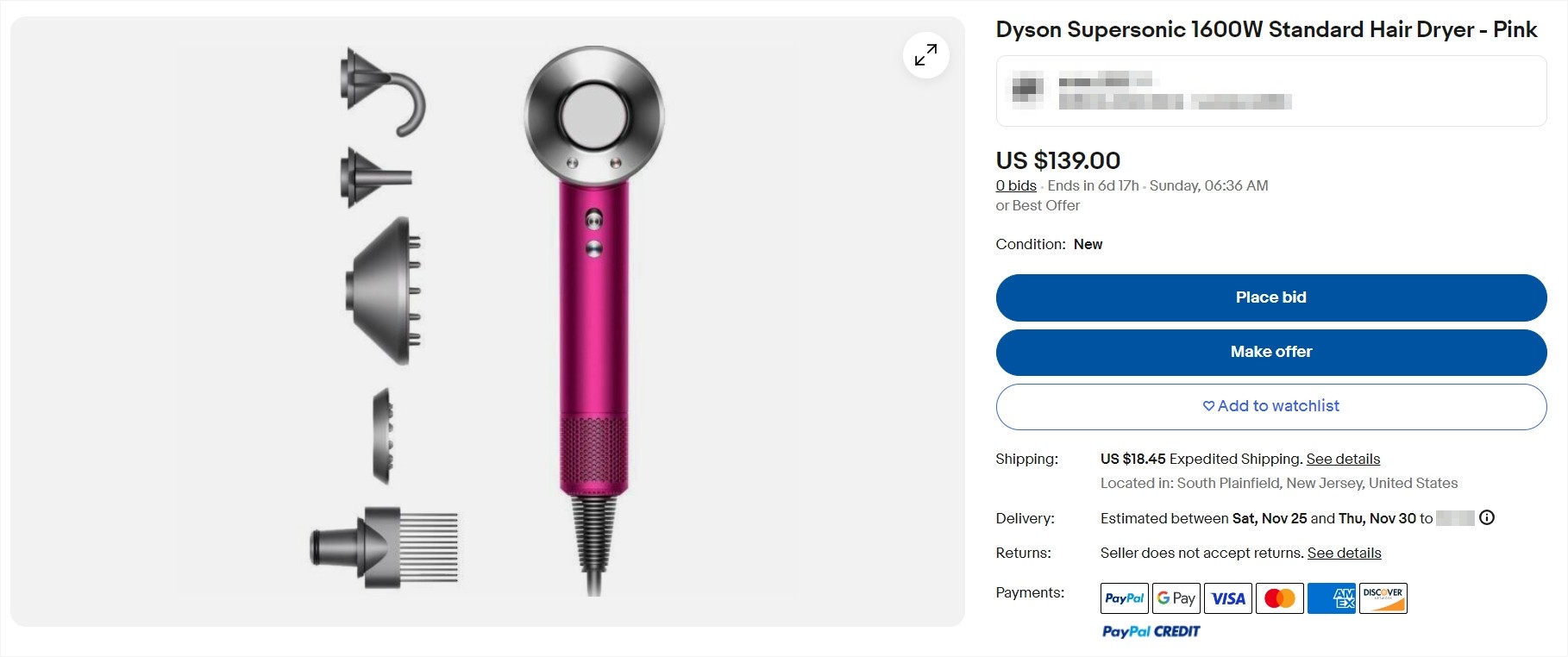
- Gadgets and other consumer electronics
- Warm clothes and slippers
- Toys and games
- Blankets and throws
- String lights, Christmas trees, stockings, and decor
- Kitchenware and small kitchen appliances
- Beauty products
November 28 (US) and December 5 (UK) — Small Business Saturday
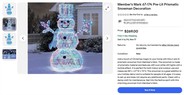
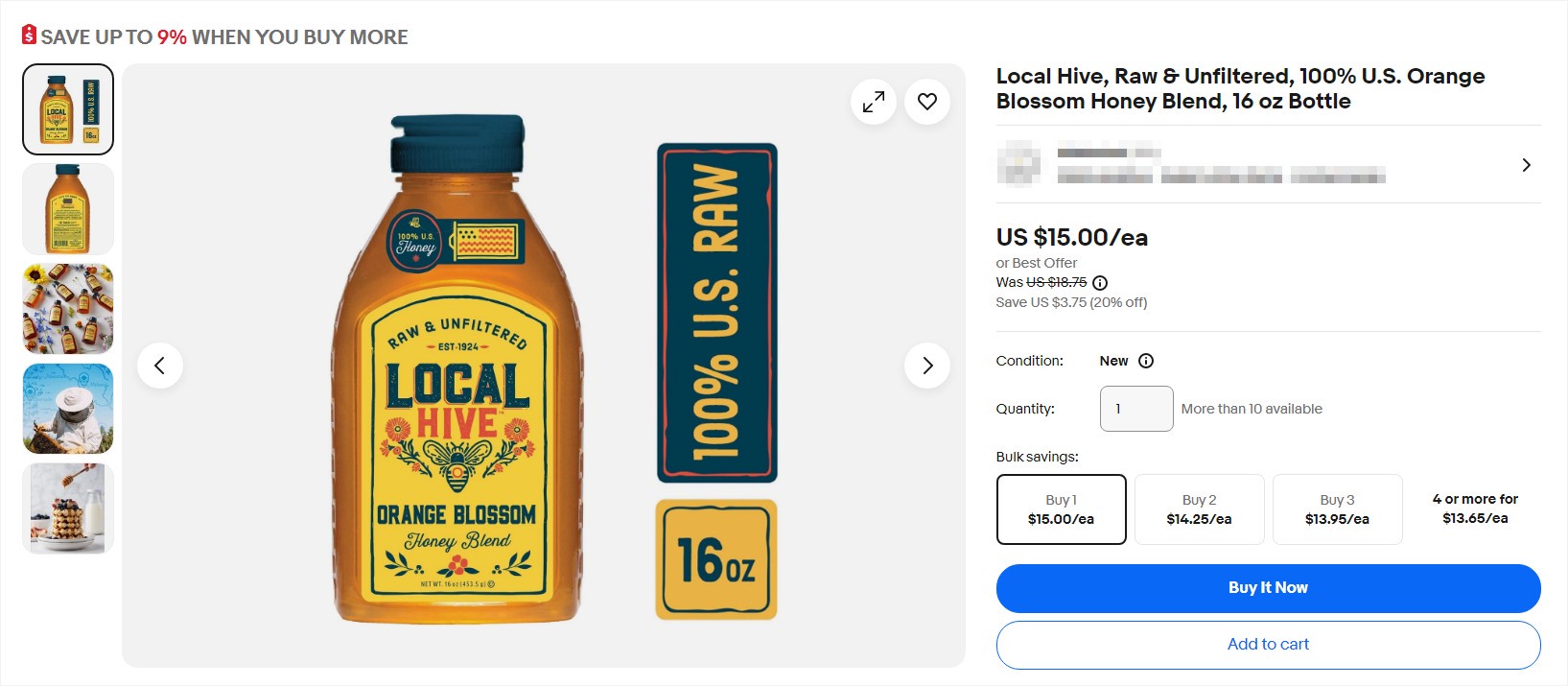
Small Business Saturday was invented to encourage pre-Christmas holiday shopping in small and local businesses. While Black Friday is all about big retailers, this date is meant to support small companies that create local jobs and pay local taxes. It reminds consumers that they can find value offers and thoughtful gifts right in their own communities. If you’re a small business owner, use relevant keywords and hashtags to draw buyers’ attention to your products. But please note that in the United States, this day falls on the last Saturday of November, but in the UK it’s the first Saturday of December.
Popular products
- Locally produced items
- Food products
- Hobby supplies
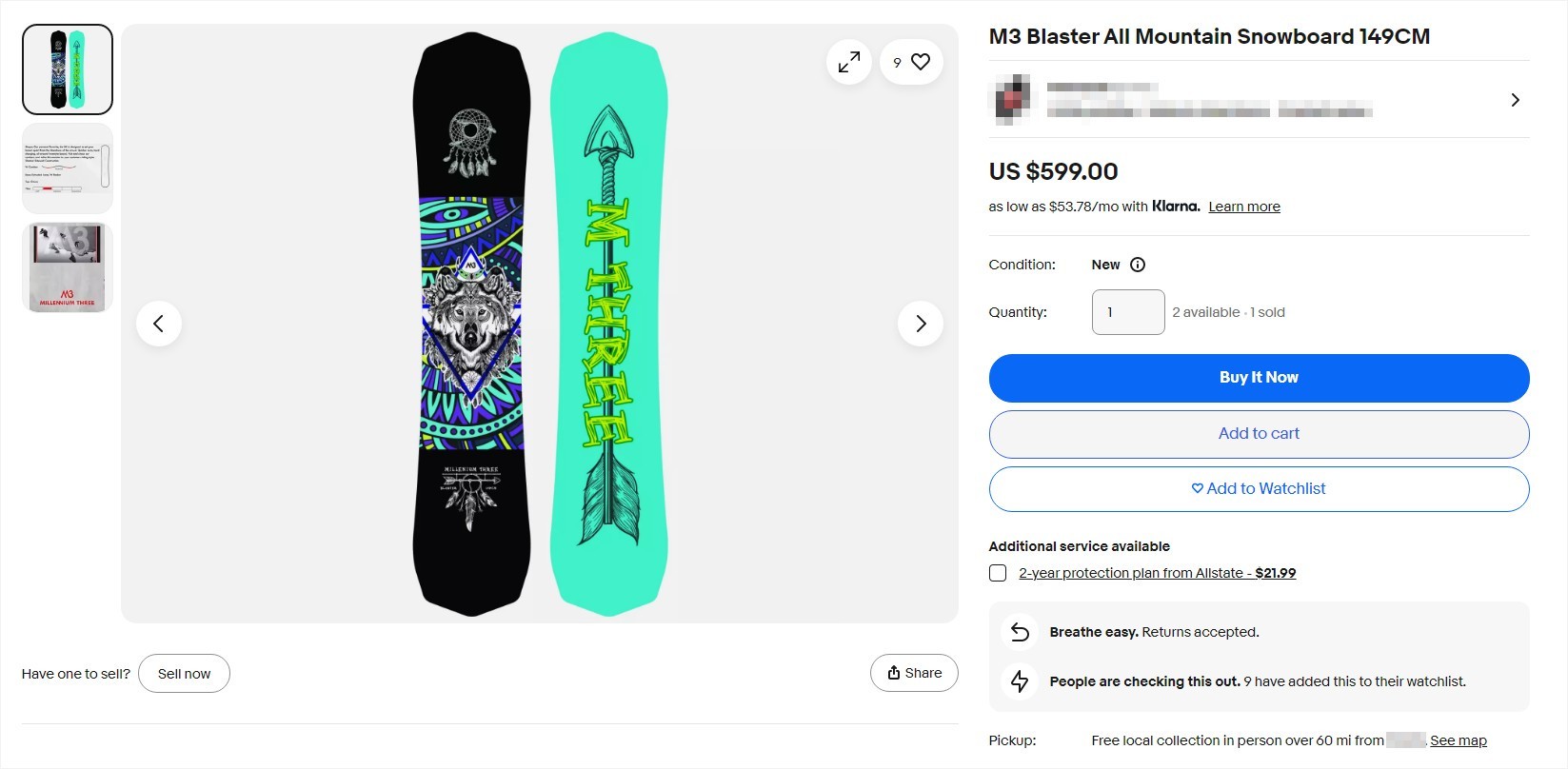
- Sporting goods
- Flowers
- Pet supplies
- Clothes and accessories
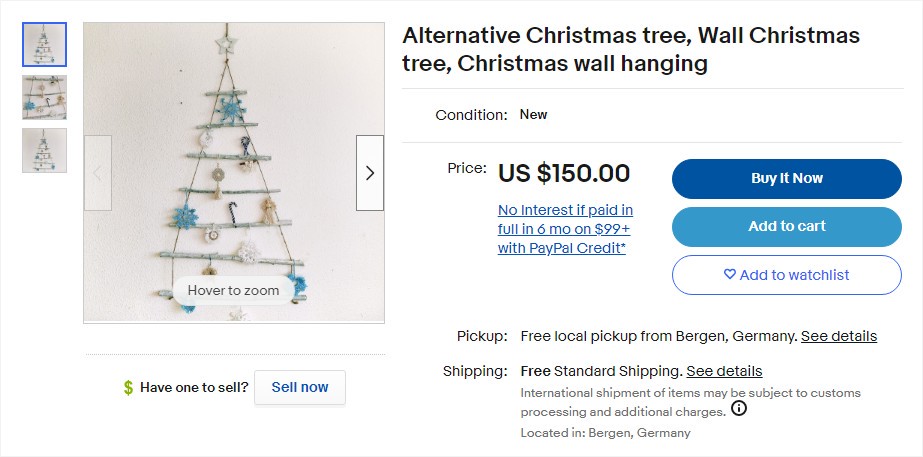
December 24 — Christmas Eve
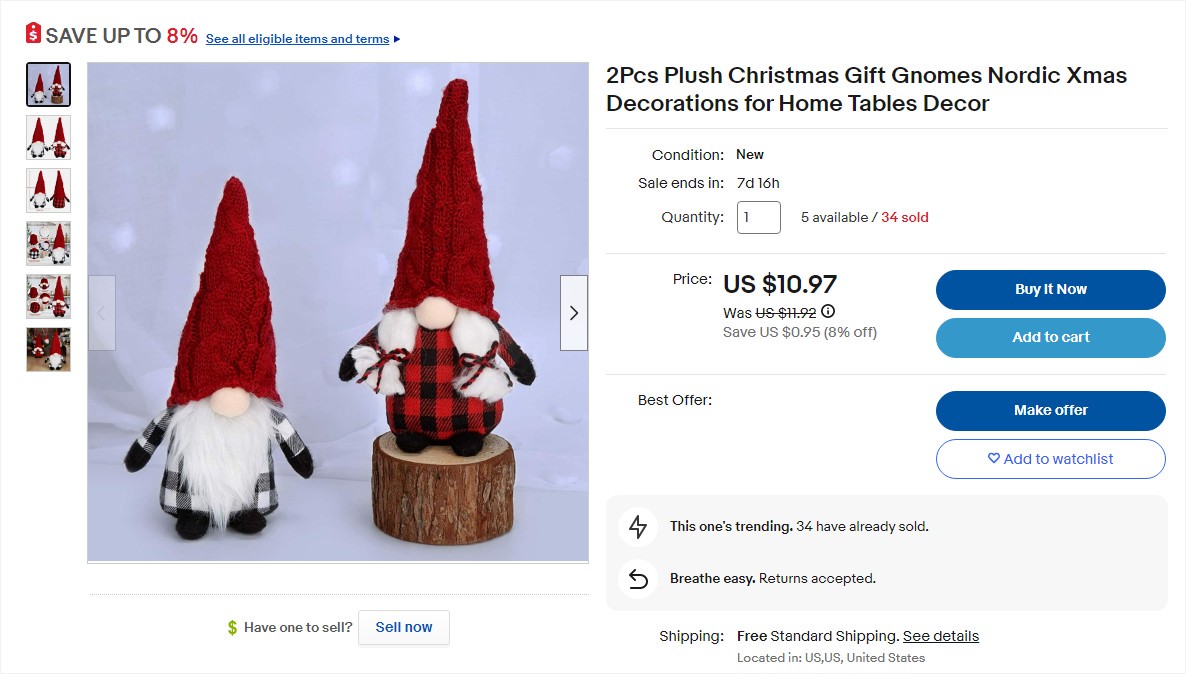
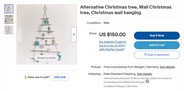
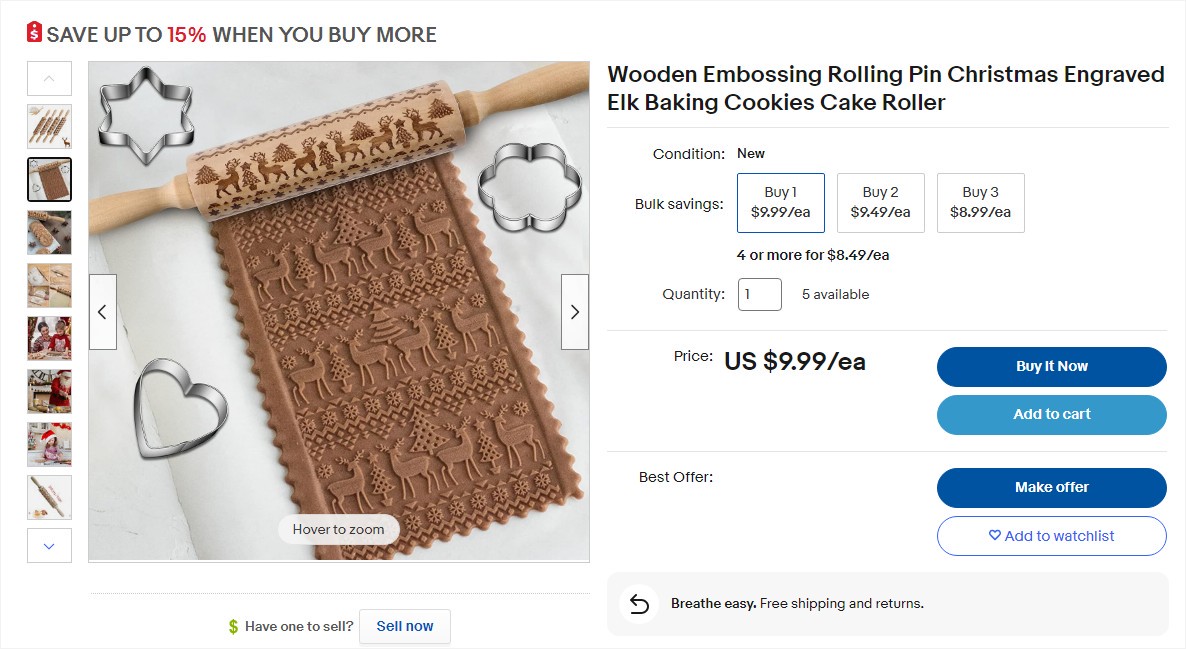
Christmas Eve is the peak of the holiday season: last-minute shoppers order gifts for friends and family, value seekers browse eBay looking for the best deals. For many buyers, it’s also time to buy something for themselves as a reward for hard work and stressful preparations during the pre-Christmas time. Catch their eye by offering last-minute deals and bundled packages, and don’t forget to add item photos against themed backgrounds. If you want to enrich your inventory with seasonal items, adding popular gifts is one of the most advantageous strategies.
Popular products
- Toys and games
- Gadgets and headphones
- Sporting goods
- Homeware and cookware
- Beauty products
- Fashion and jewelry
- String lights and Christmas decor
- Books
- Gifts for pets
- Cameras
- Video games
- Holiday travel goods
How to inspire your buyers
Despite the abundance of various goods, buyers often struggle to find a gift that would bring true joy and delight to the recipient. That’s why they are willing to source ideas from eBay ads and sellers’ newsletters. To attract and inspire gift shoppers, promote your flagship items, make social media posts about new arrivals, and send Store newsletters with gift ideas.
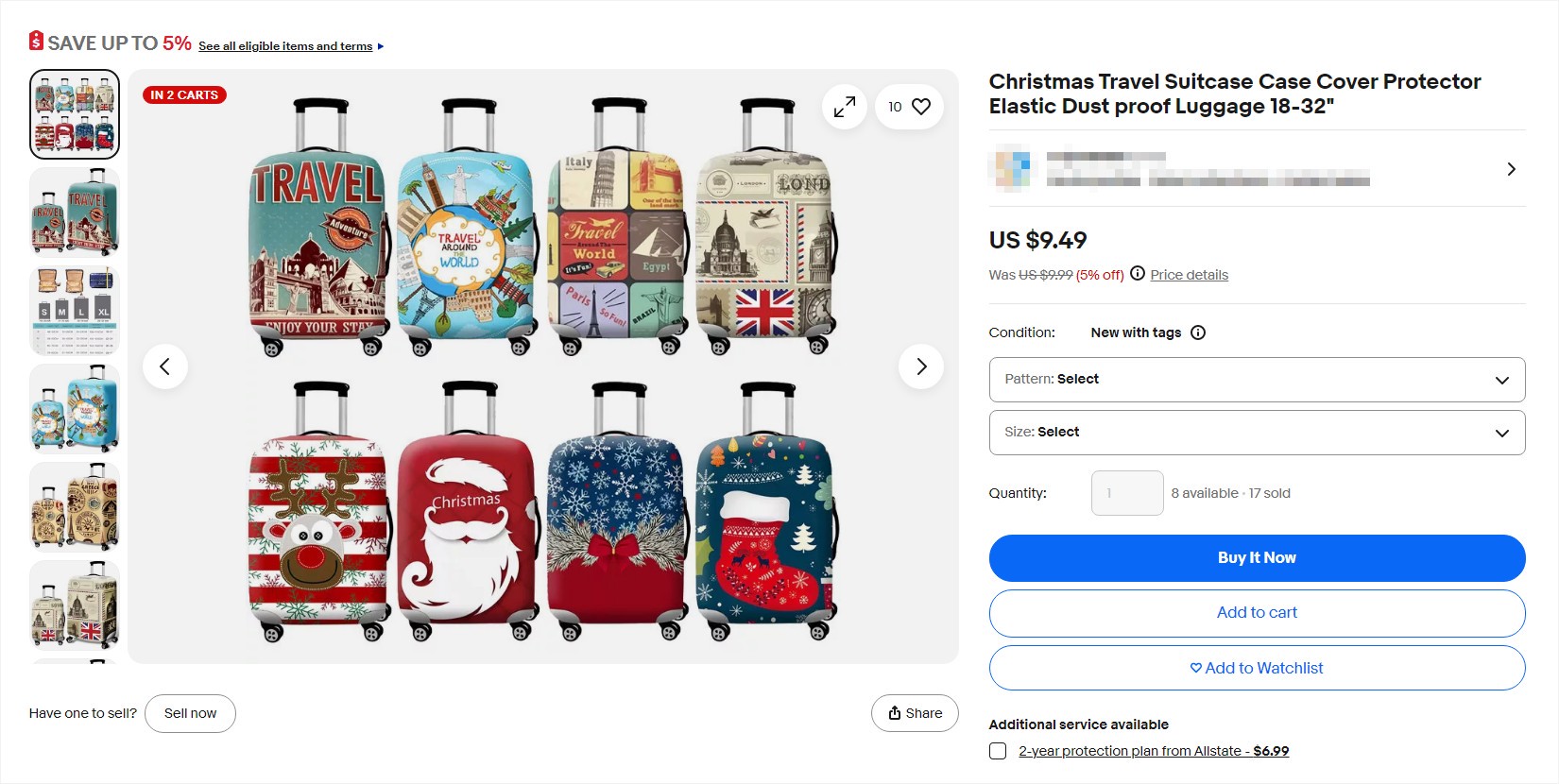
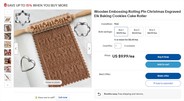
January 1 — New Year’s Day
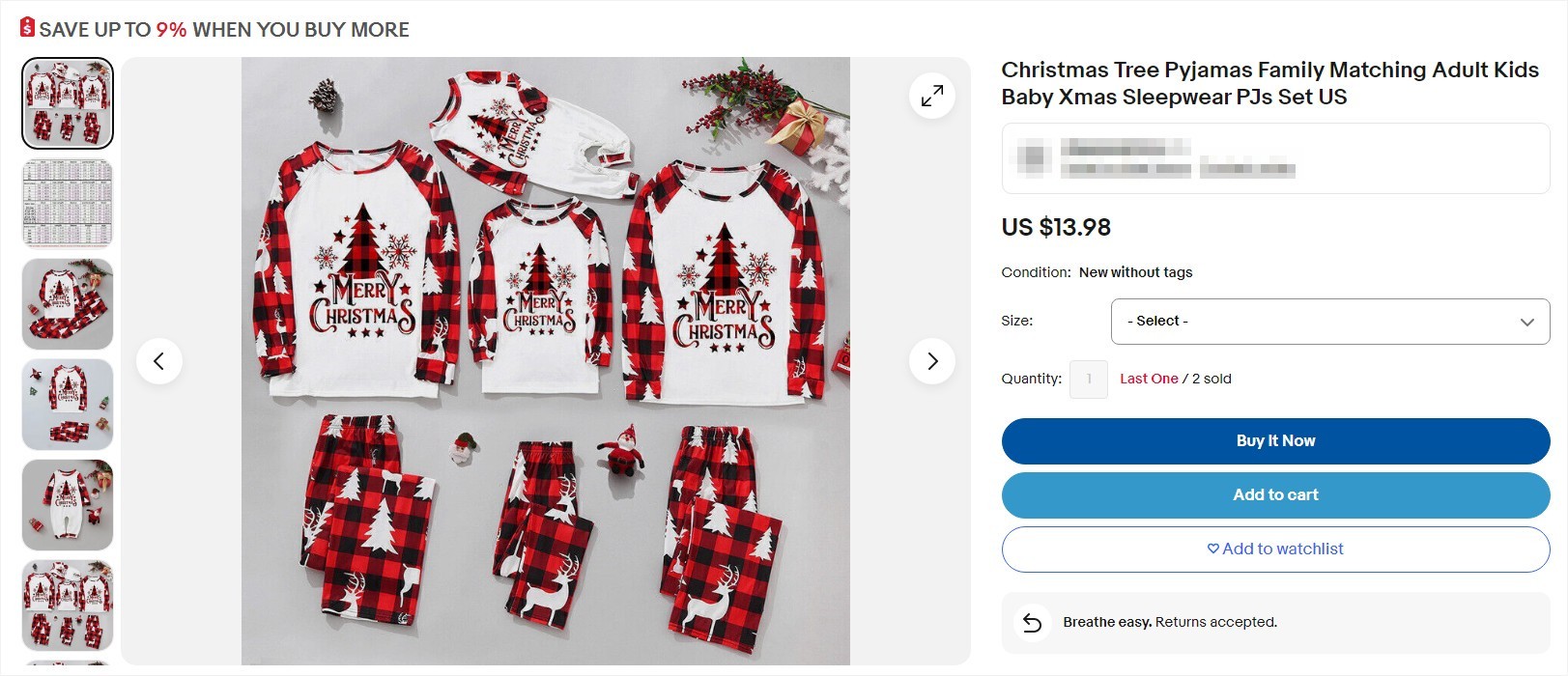
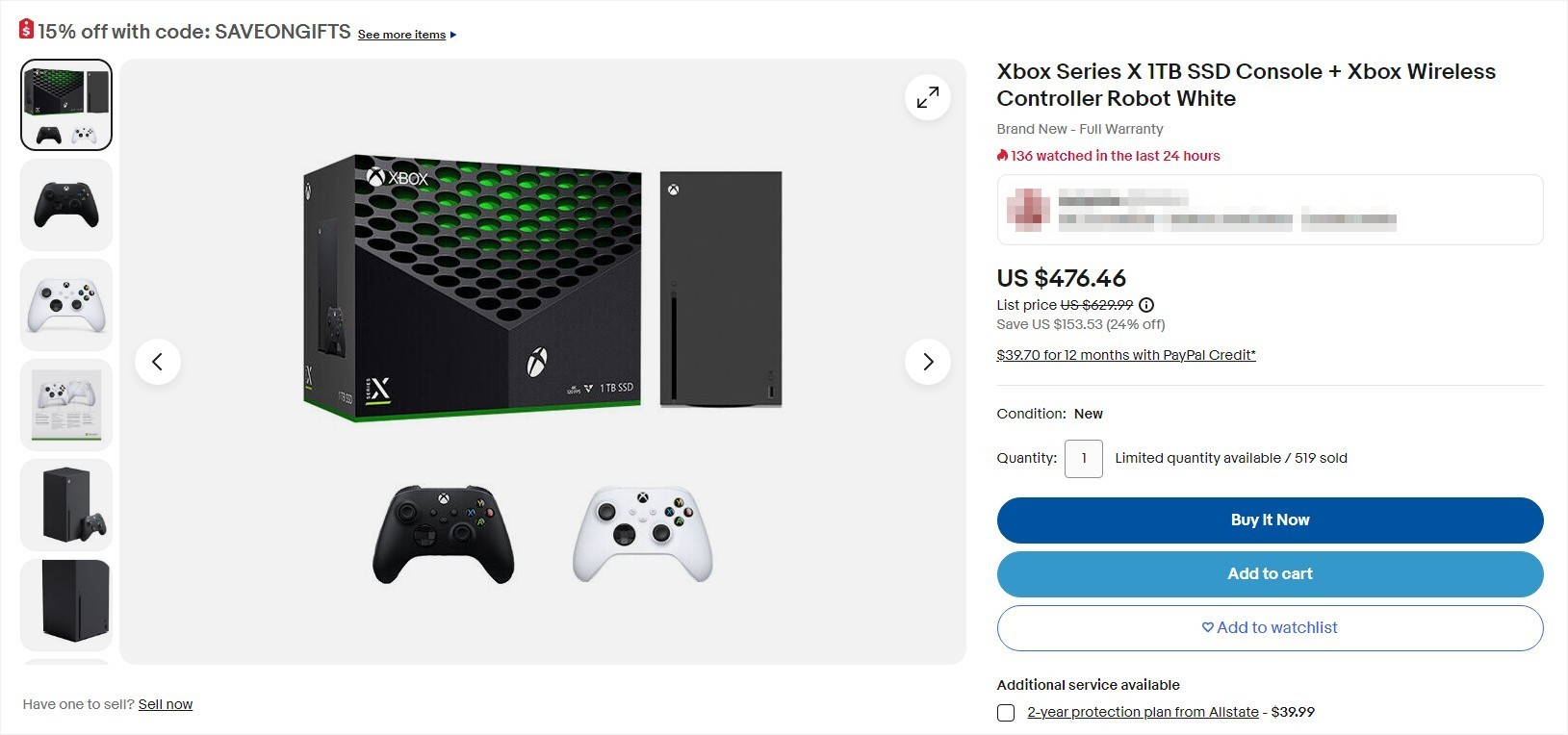
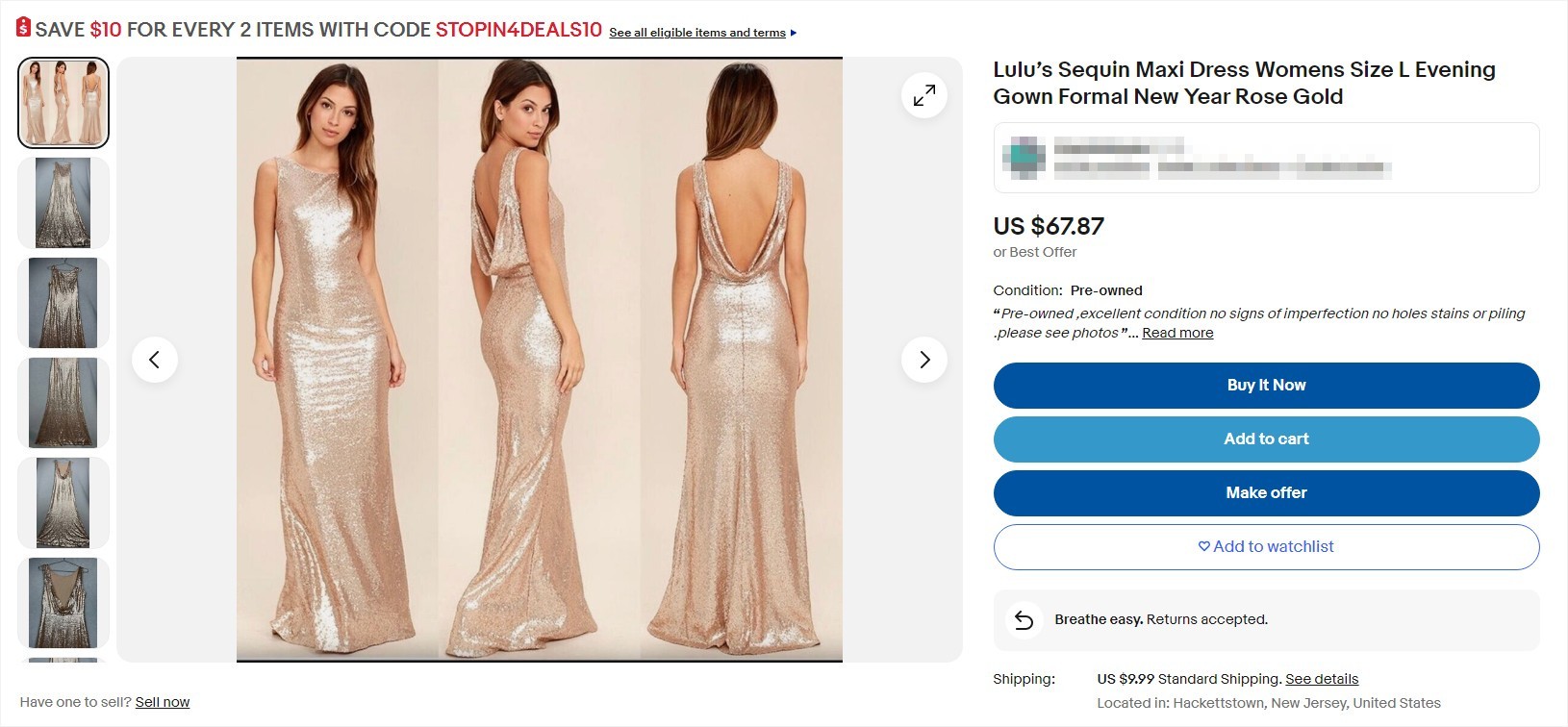
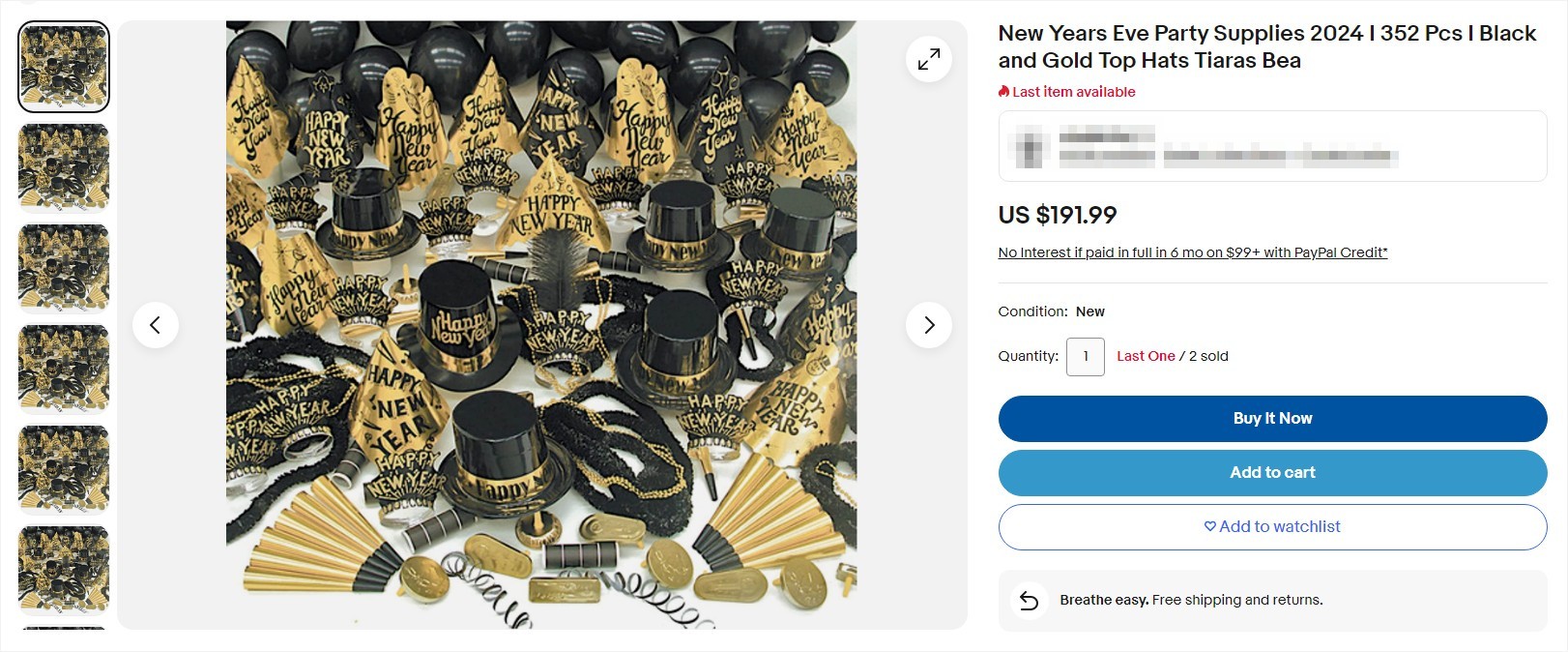
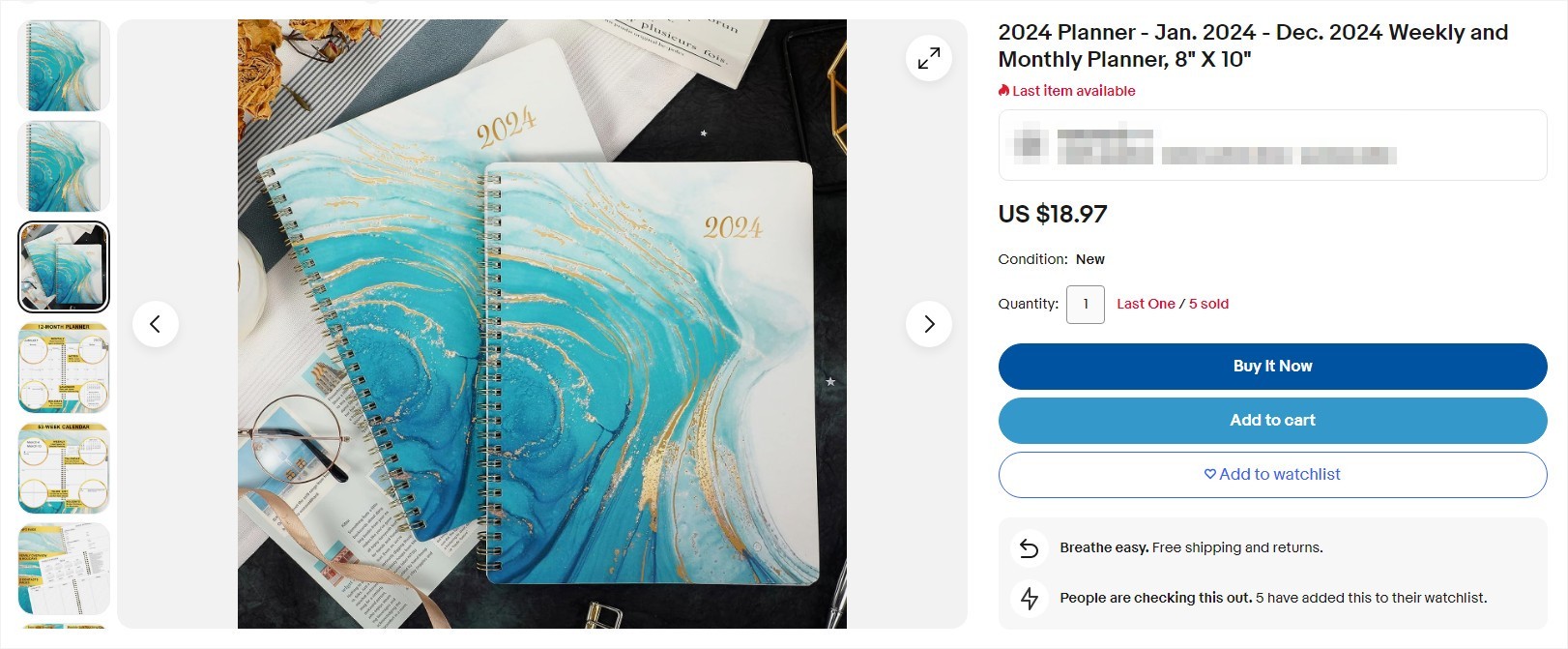
As the calendar resets on January 1, many sellers take time away after the hectic peak season. However, there is an opportunity for you to keep selling and kick off the year with a strong start. The 1st of January is an official day off in most countries, and buyers often browse eBay, looking for post-Christmas deals and thinking how to spend money they’ve got as Christmas gifts. It’s also the traditional time for making New Year's resolutions and ordering what one needs to keep them.
Popular products
- Party supplies, decorations, and tableware
- Clothes and accessories
- Electronics and gadgets
- Fitness and wellness products
- Calendars and planners
- Home organization items
- Beauty products
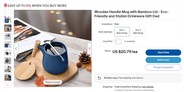
February 14 — Valentine’s Day
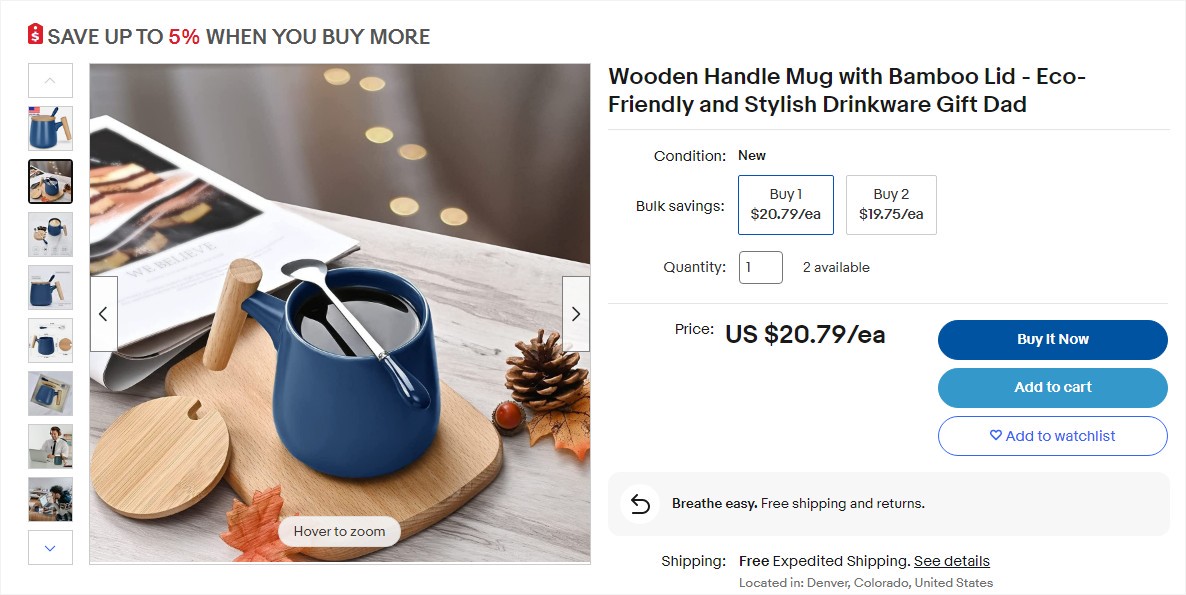
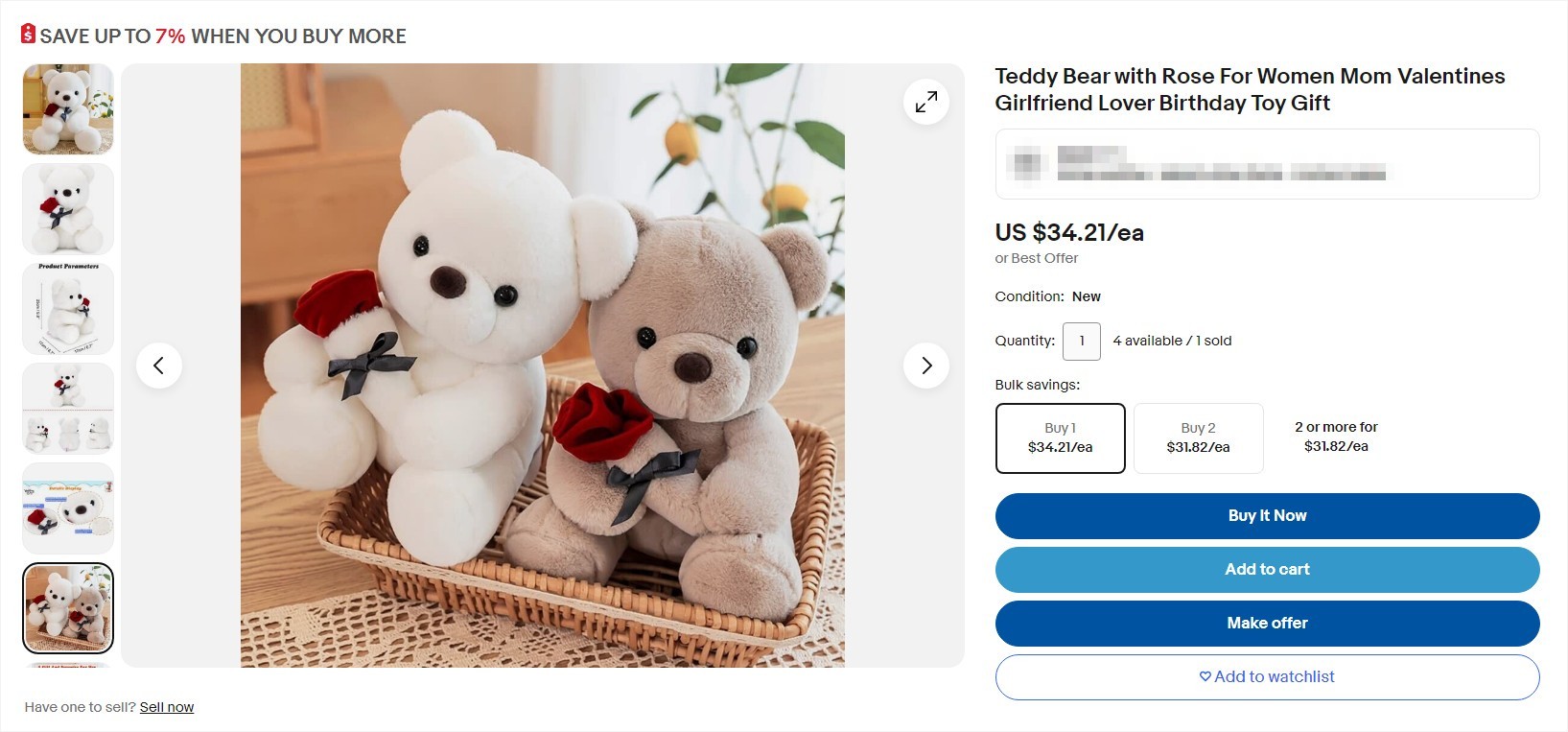
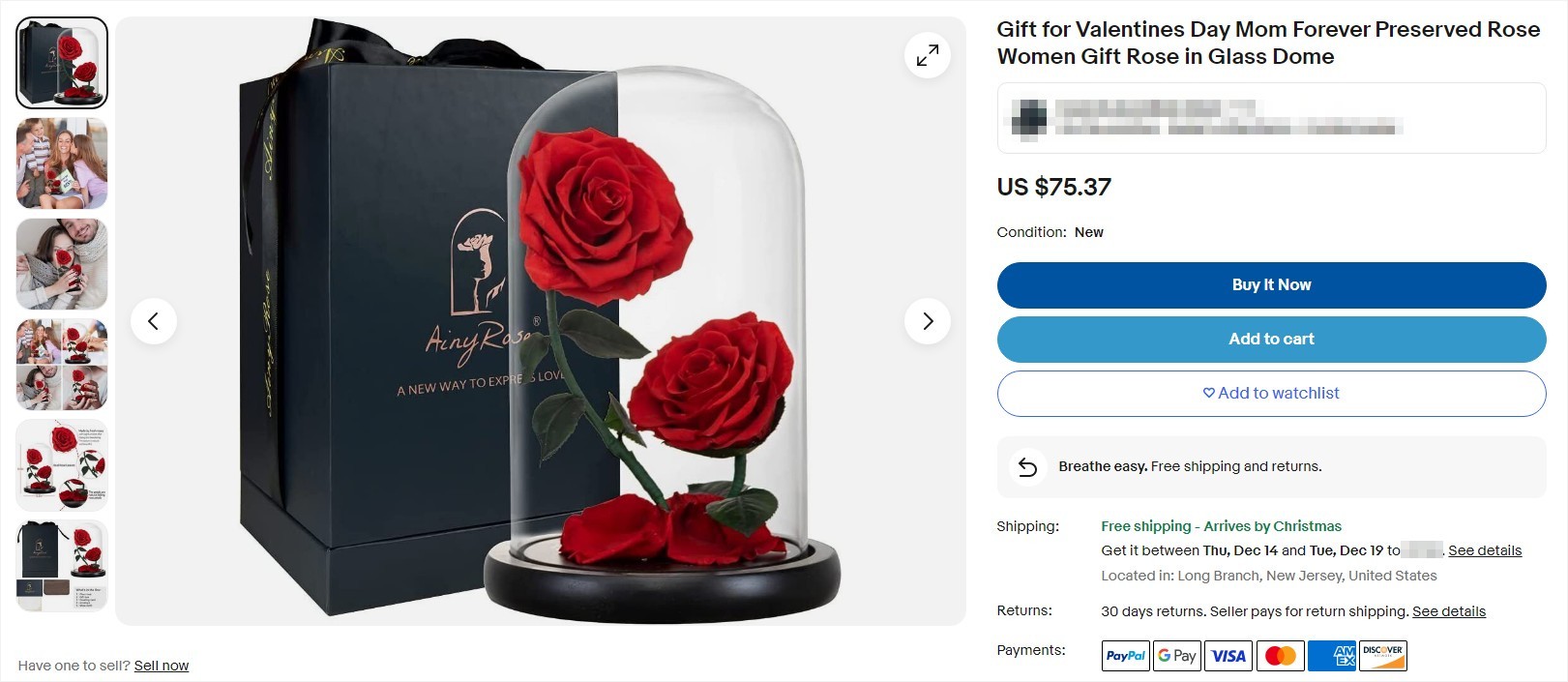
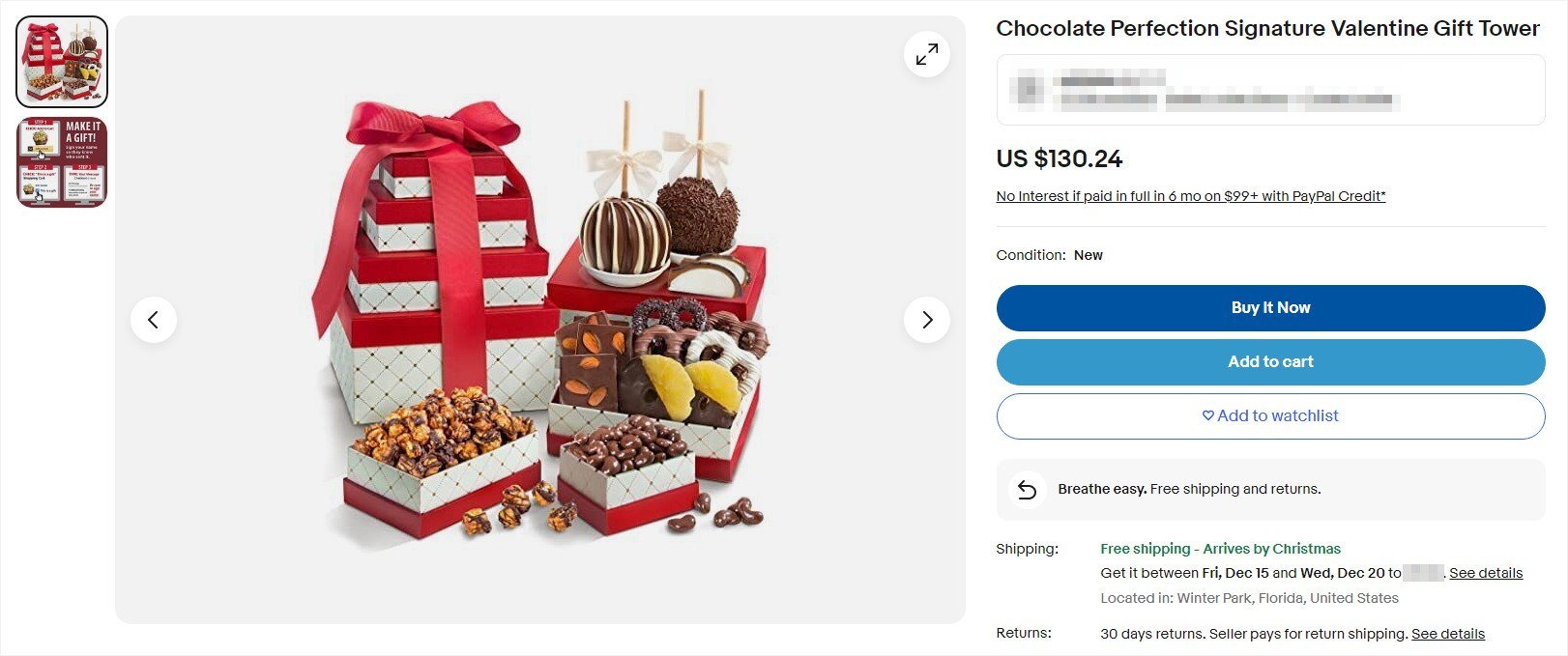
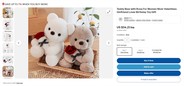
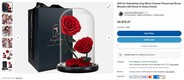
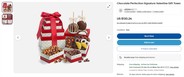
St. Valentine's Day is known worldwide as the holiday of romantic love. On this day, partners and spouses express affection with the help of Valentine’s cards and gifts: chocolates, jewelry, stuffed toys, or other items associated with love and commitment. In the weeks leading up to Valentine’s Day, eBay sellers highlight their items as perfect gifts “for Her” or “for Him”, to get more visibility in search results. Themed Special offers and coded coupons can also attract buyers and motivate them to make a purchase. If you want to promote your listings to Valentine's Day shoppers, select the most romantic looking items and bid on themed keywords. Then choose from the priority or general strategy, depending on your specific business needs, and run it.
Popular products:
- Heart-shaped items
- Chocolate and sweets
- Jewelry
- Teddy bears
- Personalized gifts
- Valentine cards
- Couple apparel and accessories
- Perfumes
- Lingerie
February 17 — Chinese New Year (Year of the Horse)
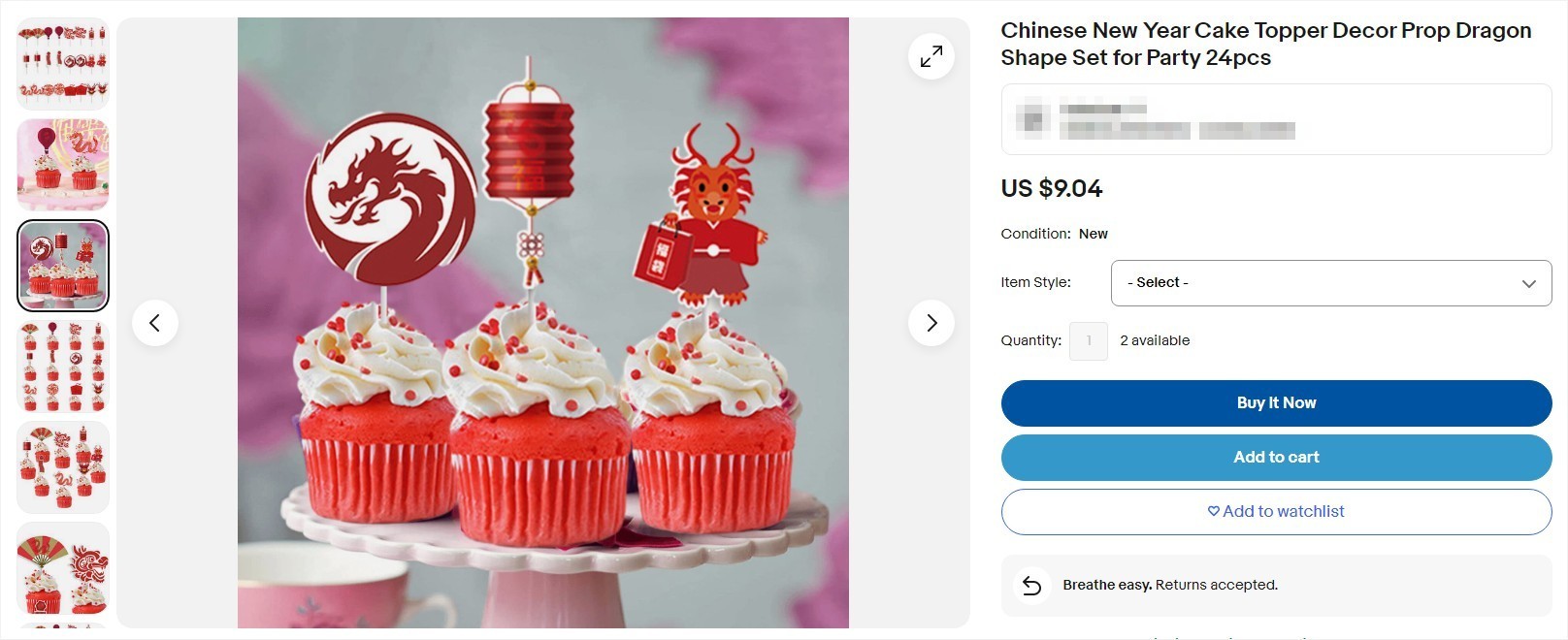
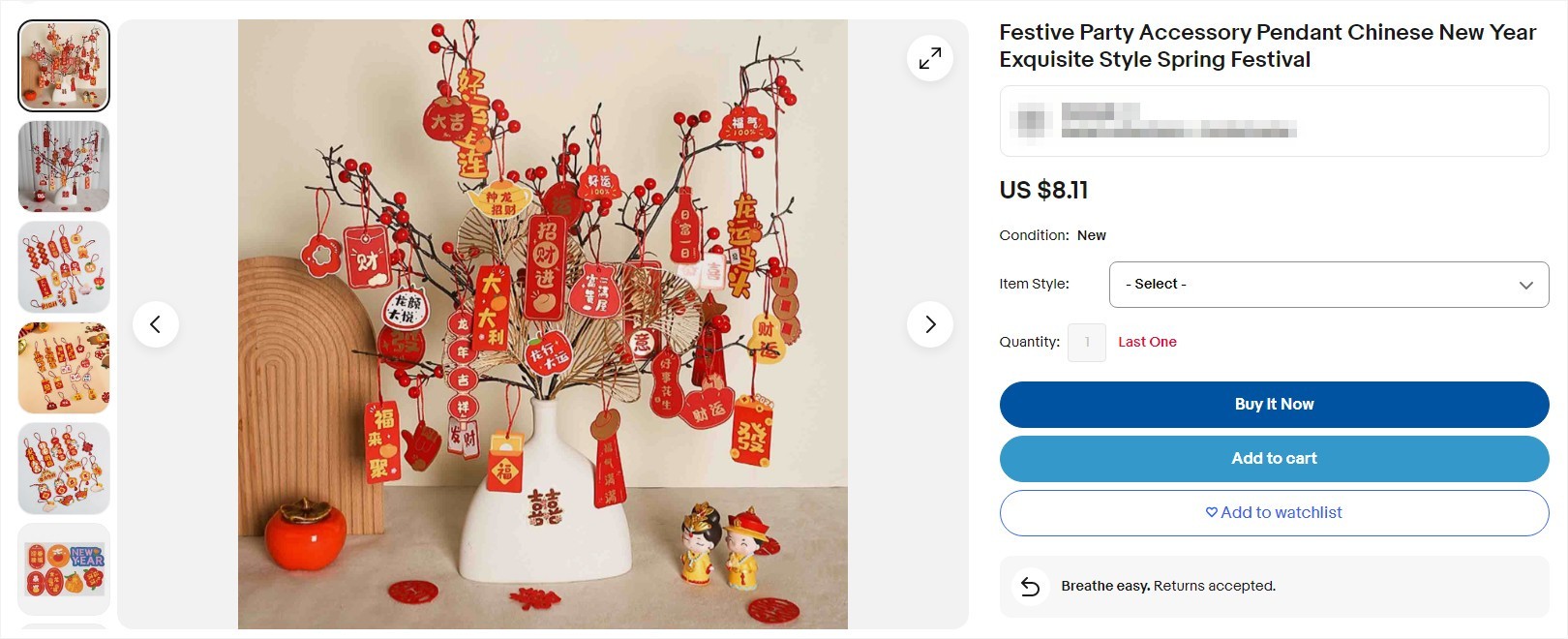
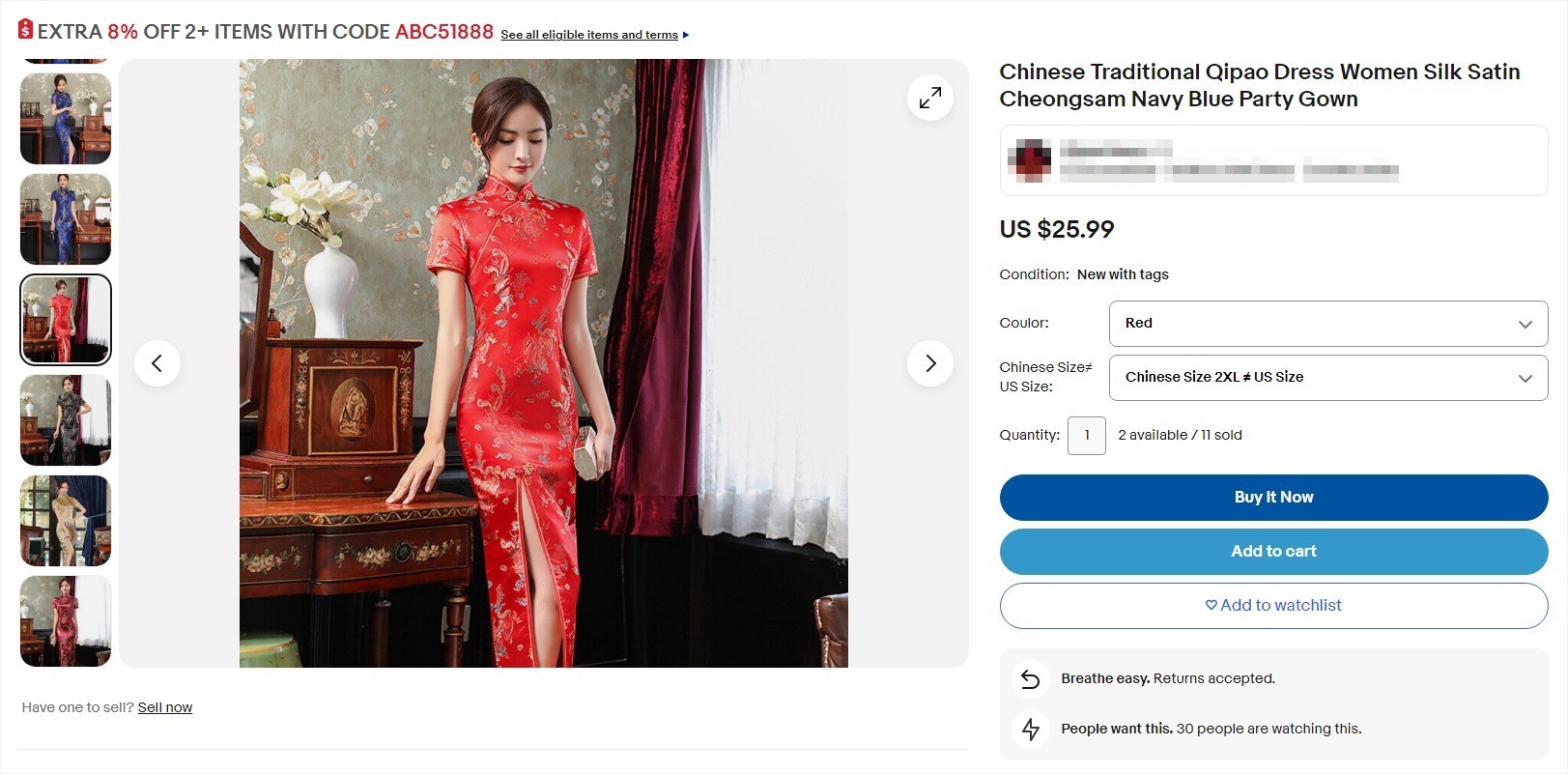
The Chinese New Year is an important holiday for many Asian cultures, and it’s also celebrated in major US cities. Traditionally, it’s a 15-day festival that starts at the new moon on the first day of the first lunar month. Those who observe the Chinese New Year adorn houses and streets with vibrant red-and-gold lanterns and other decorations that symbolize good fortune, joy, and prosperity. To appeal to those buyers, add relevant keywords to your listing titles and create special offers with visuals that resonate with Chinese traditions. The most well-known gifts are red envelopes with money — which means that lots of people will look for a way to spend that money after the festivities.
Please note: certain items, such as clocks, are considered “unlucky” and are never given as gifts for this holiday. Black and white colors should also be avoided.
Popular products:
- Lanterns and other traditional decorations
- Red-colored clothing and other items
- Dragon-themed products and gifts
- Festive food
- Firecrackers
- Tea and tea sets
- Home supplies
- Personalized gift boxes
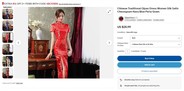

How to drive visibility during the peak season
During the holiday season, 71% of consumers choose online retailers as their preferred format for holiday shopping [1]. Sales usually skyrocket during this period, but competition is quite intense, too. Use these best practices to attract buyers’ attention without dropping prices too low and make it through the Christmas season with maximum profit.
Optimize your listings and Store for holiday rush
Visibility is key. To make your items appear more often in buyers’ search results, optimize your listings according to our recommendations. You may achieve a significant increase in traffic without spending a dime!
How to make your items more visible for potential buyers:
- Add top-searched seasonal keywords and phrases to your listings’ titles and descriptions. Try “Christmas gift”, “Christmas decor”, “Black Friday sale”, “Cyber Monday Sale”, “Christmas gift for husband”, or whatever is relevant
- Write clear and structured descriptions that include the information buyers may need. Brand names, sizes, model numbers, key characteristics, etc. Add product identifiers if there are any (GTIN, UPC, EAN, MPN, etc.). This makes it easier for buyers to find your listings on both eBay and through external search engines
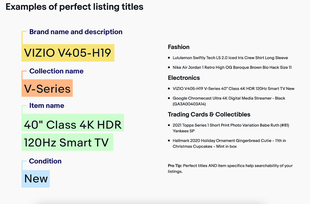
- Add relevant item specifics. They depend on what you’re selling and may include brand, size, length, width, height, type, color, style, etc. The more details you add, the more visibility your item will get
- Check if your items are listed in the correct category. If not, your listings will be less visible for shoppers (and violate the eBay policy as well)
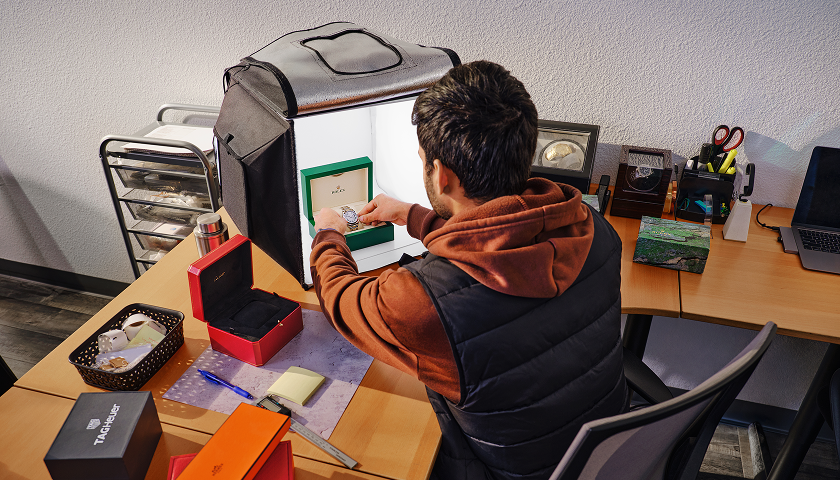
- Add item photos and videos with holiday-themed props and backgrounds. They will inspire potential customers, motivate them to view your listings and make a purchase
- Customize your Storefront in a festive way. Create a marketing banner with information about holiday discounts, add Featured items and a store video representing your values.

Plan your promotion strategy
Given the buyers’ preferences, you should run a long-term promotion campaign starting long before Black Friday. Buyers need time to notice your items, do some research on the Internet, and finally make the purchase decision. We recommend using several marketing channels to maximize your reach: eBay Advertising, social media, Store newsletters, Sale events.
Use Promoted Listings to improve visibility
During the peak season, buyers rely on sellers to inspire them and help them find the right gifts. eBay Advertising will help you drive visibility.
Plan a long-term ad strategy across the entire holiday season. Customers looking for items like yours will see your listings at every step of their eBay purchase journey. Whether it be at the beginning, in the middle, or at the very end of the Christmas season.

The effectiveness of eBay ads is supported by data:
25%
more clicks can be achieved by increasing visibility and promoting your listings with a general campaign strategy*.
*Compared to non-promoted items, on average (data from Jan 2024 to Mar 2024).30%
more sales can be seen when promoting listings with a priority campaign strategy*.
*Compared to non-promoted items, on average (data from Jan 2024 to Mar 2024).35%
more sales are seen by listings promoted via suggested campaigns*.
*On average (data from Sep 2023 to Dec 2023).Connect with your audience using social media
For many shoppers, social media plays an important role in their holiday shopping. They seek inspiration for home decor, look for gift ideas, read product reviews and user comments, follow retailers’ pages to learn about upcoming sales events.
It’s time to use your social accounts to drive traffic to your listings! Link them to your eBay account and create posts quickly using the Social page of Seller Hub.

To increase the impact of your social media accounts:
- Post actively and showcase your items. Add quality photos with seasonal props or backgrounds to create festive vibes. Upload compelling videos with your items in use
- Give value to your followers. Offer them useful advice and demonstrate expertise in the area
- Share buyers’ positive comments (screenshots from eBay feedback or My Messages)
- Hashtag the brands you’re selling. Add trending hashtags to your posts to be discovered by those who aren’t your followers. Use phrases like “Black Friday”, “Cyber Monday”, “gift guide”, “Xmas gift ideas” and such
- Post behind-the-scenes videos in your stories or TikTok
- Consider launching targeted ad campaigns on social media
- The peak season is a busy time, so prepare a series of posts in advance
Offer bargain prices
Holiday shoppers are mostly bargain hunters who want to get the most value for their money. Both “early birds” and “last-minute shoppers” scour the marketplace, looking for the biggest discounts they can find. To attract holiday shoppers to your listings, price your items competitively and offer discounts.

- Use Discounts Manager to set up volume discounts, Sale Events, shipping discounts, and size discounts
- Send Offers to buyers with lower prices than those stated in your listings. Offers can be sent in bulk to everyone who has added your Fixed price item to their watching list or shopping cart during the previous five days
- Use Store newsletters to inform buyers about the upcoming sales and discounts. If they get such a notice in advance, they may decide to put your items on their shopping list
- Create and send Coded coupons to attract new buyers or encourage repeat customers. Coupons can be printed and added to parcels, shared via social media, Store newsletters, ad campaigns or other marketing channels
Make your listings mobile-friendly
With the growing number of mobile shoppers, it’s crucial to optimize your listings for smartphones and tablets:
- Use a legible font and simple formatting
- Avoid horizontal scrolling
- Use bullet points in the description
- Make sure all description elements display correctly on different screen sizes
- Use the eBay photo uploader instead of adding images to the description
- Don't use active content, including JavaScript, Flash and form actions
- Add shipping, payment and returns info to the corresponding fields
Offer free shipping (and free returns if possible)
Black Friday and Cyber Monday shoppers usually expect free shipping. They often filter their search results on eBay so as to see only listings with this option. This means that a higher-priced item with free shipping will often get more visibility and generate more sales than an identical product with a lower price but paid shipping.
Free returns are also a good option that helps eliminate buyers’ doubt. If you sell worldwide, set up your return preferences to offer free returns in closer regions only (so that your bottom line would not get severely affected). No returns at all will put off potential customers, and they will look for the desired items elsewhere.

Continue selling after Christmas
Sales often drop when everyone is getting their rest from the shopping spree. If you prefer to relax as well, set Time Away and enjoy your vacation. But for many buyers, it’s time to spend money they’ve got as Christmas gifts. Here’s how you can attract their attention:
- Target repeat customers, offering them special post-Christmas deals in Store newsletters
- Announce a clearance sale with big discounts on old inventory
- Start a fun contest on social media to encourage buyers to show their Christmas purchases. This contest will promote your products and generate excitement
- Start selling a new line of products in the new year
- Cater to New Year’s resolutions: offer sports clothes and gear, healthy food, planners, diet supplementaries, personal care products, etc. Use Product Research to see what sells best during this slow period

Inventory: how to get ready

Analyze past sales to predict demand
Use the Sales section of Seller Hub’s Performance tab to study your past activity. Find Sales by category compared to the prior time period and have a look at your top categories: how they have grown or decreased, and what is their percentage in your total sales. If you click Expand all, you’ll see the detailed data.
Please note: if you are investing in marketing efforts and promote your listings with the priority campaign strategy or the general campaign strategy, you should prepare your inventory for a surge in demand.
Replenish new inventory in advance
Many buyers expect their orders to come just in time before Christmas, and delayed shipping may lead to customer dissatisfaction and negative feedback. It’s best to ship in peak season inventory about one month before Black Friday. Apart from merchandise, you also need to stock up auxiliary goods such as gift packaging and transport packaging.
Prepare enough supplies for production
If you are selling your own products, be that handmade soaps or fashion jewelry, collectible figurines or 3D printed home decor, teas and spices or seeds and bulbs make sure you have enough raw materials and other supplies to meet seasonal demand. While it’s still slow, it might be reasonable to create multiple workpieces that can be easily finished or customized.
Find your optimal restocking point
How to calculate the restocking point:
- Estimate the supply time for this type of merchandise
- Define the “safety stock” of items (in case of pre-Christmas shipping delays)
- See how often these items are ordered (average daily orders)
Here’s the formula for Restocking point: (Average daily orders * Supply time) + Safety stock
When the number of items of the same type decreases and reaches the Restocking point, it’s time to make a wholesale order. The same formula can be also applied to supplies and raw materials for your own production.
Please note: if you have flagship products that sell much better than any other items in your inventory, pay special attention to their stock level.
Implement an inventory management system
If you are selling your items via multiple platforms, consider using a full-fledged inventory management solution that instantly updates the stock level of sold items across all channels. Such systems also send warnings about low stock levels and prompt you to order inventory. You can read more about third-party solutions on the eBay Partners page.
Even a simple spreadsheet adds consistency and predictability to your eBay business. It helps you meet your handling times and ship orders on time, prioritize tasks and prevent bottlenecks in your workflow. And, if necessary, someone else can run the store using your system while you aren’t available for a while.
Use custom labels (SKU)
eBay listings have an optional field where you can enter your own custom labels). SKU, or “Stock Keeping Unit”, is a unique identifier used for internal tracking of inventory. These custom labels won’t be visible to buyers, but they facilitate inventory management.
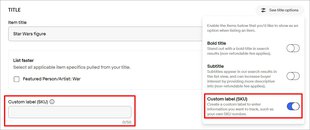
- You can assign a separate SKU for each variation, if your items come in different colors and sizes
- The bulk listing/editing tool allows you to add multiple SKUs at the same time
- SKUs can be printed as barcodes for labeling products, convenient picking and counting
Expand your inventory with new items
To make the most out of the peak season, you may need to reconsider what you are selling. Try eBay’s exclusive research tools to analyze what’s trending and how your competitors are performing.
- Sellers with access to Seller Hub can use Product research for free. It allows you to find out what’s selling right now and it’s also helpful in detecting seasonal trends
- Business sellers with a Basic Store subscription or above also get access to Sourcing insights as part of their Store subscription
You can also visit eBay’s Christmas page for buyers for popular gift ideas.
Source your inventory in a smart way
Before you start sourcing for the peak season, you need to understand your target audience: who your customers are, how much they earn, what they need, and what drives their holiday shopping. When you have answers to these questions, it will be easier to expand your inventory and find new suppliers.
Where to look for suppliers:
- Internet search and social media (LinkedIn, Instagram, Pinterest)
- Local and international trade fairs
- Sourcing websites (Alibaba, Aliexpress, Common Objective, etc.)
- B2B marketplaces (Faire UK, Ankorstore, Creoate, etc.)
- Open Apparel Registry (list of factories used by bigger retailers)
If you opt for locally produced products, you are likely to be able to visit factories and make smaller orders. Besides, there will be fewer issues with logistics and currency fluctuations. However, ordering from abroad is often associated with lower prices due to cheaper labor costs. Find out all the details before making a decision.
Shipping tips for the holiday season

Reduce your handling time to a minimum
Handling time is the number of business days between the order placement and the moment when the package is scanned for shipping. It’s recommended to select the fastest handling time you can commit to (2 days or less). This way you can reduce the estimated delivery time shown to buyers and possibly win their favor.
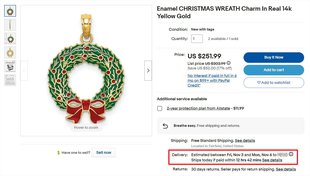
Example: A buyer pays for an item on Monday, and your handling time is 1 business day. It means your item should be scanned by your carrier before 11:59 p.m. on Tuesday. If the order is made on Friday, Saturday, or Sunday, you need to ship it by 11:59 p.m. on Monday.
Offer a variety of shipping options including expedited delivery
According to the ShipEngine Peak Season Report 2023 data, 61% of consumers are willing to pay extra money (up to $6) to get same-day, next day or nominated day delivery. This percentage is even higher (78%) among millennials and Gen Z shoppers [2]. With their tight schedules, they are happy to pay a small fee so as to get reliable and speedy delivery. It’s especially true for last-minute shoppers trying to get gifts before December 25!
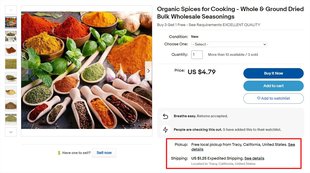
So, if you want to cater for all consumer categories, offer several delivery options that allow your buyers to balance costs, speed and convenience. And don’t forget to add combined shipping and shipping discounts.
Use tracked shipping
You buyers will appreciate the opportunity to see where their packages are at any given moment. Besides, valid tracking information will protect you from various issues associated with late delivery, Item not received cases, or payment disputes. If there are any problems caused by events outside your control, but tracking shows that you shipped the order on time, eBay will remove transaction defects and negative feedback. For more information, please read the Seller protection article.
Calculate your shipping costs
Make sure that you won’t have to pay more than expected for shipping your item. The weight on the scale isn’t the only factor that affects the costs. The parcel dimensions also contribute to the final sum your carrier will charge you.
Sometimes beginner sellers calculate the shipping cost using the item weight, add this amount to the item price and offer free shipping. But if the item is large and lightweight (e. g. a beanbag chair), the actual cost of shipping could eliminate your profit.
So, be sure to use the right size box and put the right dimensions and weight when calculating your shipping costs. And always round measurements up to the nearest whole number.

Prepare enough shipping supplies
Seasonal demand spikes and your promotional efforts can result in an influx of orders — and that’s what all sellers want to achieve. But if you suddenly run out of shipping supplies, it can cause late delivery and negative feedback from customers. It’s recommended to order more shipping supplies than usual, accounting for a possible sales increase.
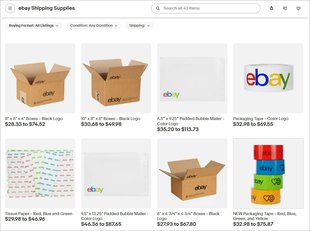
If you want to give your packages a professional look, use eBay-branded boxes and envelopes. They are available at ebay.com/supplies and can be used with any carrier (unlike carrier branded supplies, which can be used only with that specific service). Packaging tapes, colorful stickers and thank you cards with the eBay logo are also sold there.
Pack your items with extra care
During the peak season, it would be wise to pack your orders a bit more securely than usual. When struggling with the increased workload, the employees of shipping companies may not have enough time to handle your packages with the utmost care. Experienced eBay sellers recommend adding extra packing paper or bubble wrap to fragile items, because peak season parcels are at risk of being tossed around during their journey to the destination address.
Ensure carrier availability
Since the majority of eBay orders are delivered with the help of shipping companies (except for local pickup listings), the insufficient capacity of your carrier may result in late arrival of orders. Some companies even cap their daily intake for certain types of service.

So, if you expect a significant surge in your sales, it may be reasonable to inform your shipping provider about that. Keep in contact with your carriers, pre-book their capacity if necessary, and have a backup option for critical situations and major disruptions.
Enable signature confirmation for expensive items
If your items’ prices are higher than a certain threshold ($750 on ebay.com or €550 on European eBay sites), then signature confirmation will protect you from abusive buyers opening Item not received disputes. It’s an additional service offered by shipping providers and required to receive eBay Seller protection for high price orders. Please contact your carrier to ask about the availability and the cost of this service.
Comply with your carrier shipping rules
Some carriers require specific labels for hazardous materials. And some items may not be allowed for shipping. To avoid delays and fines, make sure your packages are compliant with the shipping rules — especially if you sell beauty products, cleaning supplies, or auto parts.
The most common types of hazardous materials on eBay include:
- lithium batteries
- perfumes
- nail polish
- hairspray
- cleaning supplies
- lighters
- auto parts
It’s crucial that hazardous materials are properly classified, packaged, labeled, and stowed for transportation. This protects the carrier’s staff and other people from risks associated with the transportation of such products.
Bonus: offer gift wrapping for your items
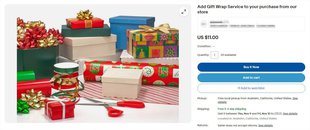
During the holiday season, a lot of orders are gifts for someone living abroad or in another city. That’s why we recommend adding the gift wrapping option to your items. It can be a separately listed paid service in your eBay Store, or you can offer it for free. Either way, buyers looking for gifts will appreciate this option because it will create a festive mood for their loved ones.
Excellent customer service

Customer service checklist:
Hopefully, our recommendations will help you navigate the challenges of the busy holiday season and pave the way for lots of repeat buyers. Good luck!